Dear AuntMinnie Member,
With more people undergoing CT lung cancer screening, it can be challenging for radiologists to differentiate lung nodules that could be cancer from other types of pathologies.
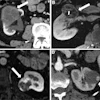
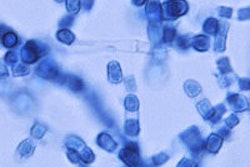
One of those is coccidioidomycosis, a fungal infection also known as valley fever that occurs in the southwestern U.S. The condition is easily treatable with antifungal therapy, but its appearance on CT is similar to lung cancer; as a result, some patients with the disease might be directed to biopsy and other investigations that could be avoided if an earlier diagnosis is rendered.
Fortunately, researchers from the University of California, San Francisco have developed a calculator that combines nodule characteristics with patient demographic information to predict which nodules might be coccidioidomycosis rather than lung cancer. Learn how it works by clicking here.
While you're in our CT Community, also be sure to check out this story on the use of automated tube current selection as a tool for reducing CT radiation dose.
IVUS guides coronary stents
Meanwhile, in our Ultrasound Community, we're highlighting an article in which researchers from South Korea used intravascular ultrasound (IVUS) to guide the placement of drug-eluting stents for long coronary lesions.
The researchers wanted to see if placing stents under IVUS guidance offered better patient outcomes than guiding them with angiography, so they studied the results of 1,400 patients treated at 20 centers across the country.
Find out what they discovered by clicking here, or visit our Ultrasound Community at ultrasound.auntminnie.com.
Road to RSNA
Our Road to RSNA wrapped last week, but if you're still working on your schedule for the Chicago meeting, don't make a move without visiting rsna.auntminnie.com for a comprehensive overview of what will be hot at radiology's showcase meeting.