A new MRI study found that a single vaping session impairs vascular function and reduces blood oxygen levels, even when the vapor contains no nicotine, suggesting vaping's harmful effects extend beyond nicotine exposure.
- Single session impact: MRI scans showed measurable decreases in venous oxygen saturation immediately after vaping, smoking, or nicotine-free vaping
- Nicotine not the culprit: Vascular damage occurred even with nicotine-free e-cigarettes, indicating other aerosol components cause harm
- Vaping worse than smoking: Researchers found vaping changed more cardiovascular markers than traditional cigarette smoking
- Widespread use: About 6.5% of U.S. adults and 15.5% of young adults ages 21-24 use vapes regularly
- Long-term concerns: Researchers warn that repeated exposure to vaping aerosol likely causes lasting cardiovascular damage requiring further study
A single session of vaping can have measurable effects on vascular function, and those effects occur even when the vapor contains no nicotine, according to a study to be presented December 2 at RSNA 2026.
In her talk, Marianne Nabbout, MD, from the University of Arkansas for Medical Sciences in Little Rock will share her team’s study that used MRI to identify the acute negative effects of vaping on the lungs.
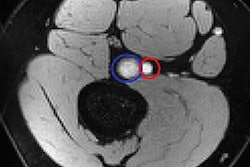
“The baseline venous oxygen saturation, which is the saturation of oxygen measured in a vein of the thigh in this study, acutely decreased following each of the nicotinized vaping, non-nicotinized vaping and smoking episodes,” Nabbout said in a prepared statement.
The U.S. Centers for Disease Control and Prevention (CDC) estimates that about 6.5% of U.S. adults and 15.5% of younger adults ages 21 to 24 use vapes. And about 1.63 million middle and high school students (5.9%) report use.
Many people believe vaping is less harmful than smoking because vapes contain fewer chemicals and toxins than tobacco smoke.
Nabbout and colleagues studied the acute effects of vaping on vascular health. The study, conducted at the University of Pennsylvania, included 41 healthy smokers and vapers ages 20 to 50 (mean age 29.8), all of whom had smoked or vaped daily for more than a year, and a control group of 17 people ages 21 to 33 who had never smoked or vaped.
Over three sessions, participants had an MRI exam before and after each of three episodes: a tobacco cigarette, an e-cigarette with nicotine, and an e-cigarette without nicotine. The team measured how quickly blood flow and oxygen levels recovered after a brief restriction, aortic stiffness, how well brain blood vessels responded to changing demands, brain oxygen use, and carotid artery flexibility.
Blood flow and oxygen levels changed after a single smoking or vaping session, including after nicotine-free vaping, suggesting the immediate effects were not due to nicotine alone. Vaping changed more of the markers than cigarette smoking did, the researchers also found.
The team had expected smaller effects in habitual users than in controls because of habituation, which could create a higher baseline inflammatory state. Instead, it found significant changes in smokers, vapers, and dual users.
“It is likely that recurrent exposure to vaping aerosol and its decomposition products will have long-term cardiovascular health effects,” Nabbout said.
She added that longer-term studies that follow people over time are needed to learn whether these temporary changes contribute to lasting health problems.
Read AuntMinnie’s conference page for full coverage of RSNA 2026.