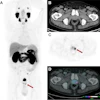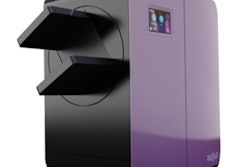
The vast majority of PET systems in medical imaging today are large scanners designed to acquire whole-body images. But Radialis Medical sees an opportunity for smaller systems optimized for high-resolution organ-based imaging.
In this Technology Focus video, we talked to Radialis CEO Michael Waterson about the company and its technology. Radialis announced earlier this month that it has submitted a 510(k) application for its organ-based PET camera, which employs detectors based on silicon photomultipliers rather than traditional PET instrumentation.
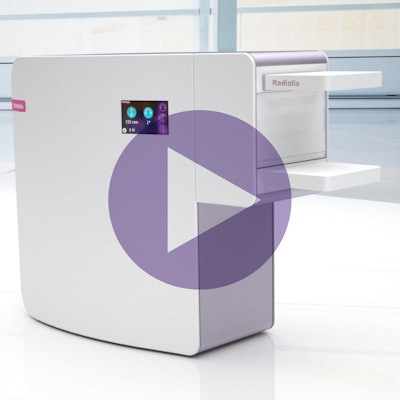
The company's detector technology -- along with the ability to position patients more closely to detectors -- will give the system higher resolution and better image quality than traditional PET technology. Learn more in the video below.