U.K. AI software developer Brainomix highlighted a study that shows its e-Lung automated CT processing algorithm can stratify patients at risk of idiopathic pulmonary fibrosis (IPF).
The study was an analysis of a completed phase II clinical trial by AstraZeneca of the company’s tralokinumab treatment in patients with idiopathic pulmonary fibrosis (IPF). The patient data from the trial was processed with Brainomix’s e-Lung tool.
e-Lung is powered by what is called the weighted reticulovascular score (WRVS), a biomarker that incorporates reticular opacities and vascular structures in assessments of the lung, Brainomix said. The tool has previously shown that WRVS is more strongly associated with transplant-free survival of IPF patients than standard measurements, according to the company.
The study was published recently in the American Journal of Respiratory and Critical Care Medicine.


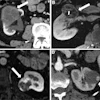





![Images show the pectoralis muscles of a healthy male individual who never smoked (age, 66 years; height, 178 cm; body mass index [BMI, calculated as weight in kilograms divided by height in meters squared], 28.4; number of cigarette pack-years, 0; forced expiratory volume in 1 second [FEV1], 97.6% predicted; FEV1: forced vital capacity [FVC] ratio, 0.71; pectoralis muscle area [PMA], 59.4 cm2; pectoralis muscle volume [PMV], 764 cm3) and a male individual with a smoking history and chronic obstructive pulmonary disorder (COPD) (age, 66 years; height, 178 cm; BMI, 27.5; number of cigarette pack-years, 43.2, FEV1, 48% predicted; FEV1:FVC, 0.56; PMA, 35 cm2; PMV, 480.8 cm3) from the Canadian Cohort Obstructive Lung Disease (i.e., CanCOLD) study. The CT image is shown in the axial plane. The PMV is automatically extracted using the developed deep learning model and overlayed onto the lungs for visual clarity.](https://img.auntminnie.com/mindful/smg/workspaces/default/uploads/2026/03/genkin.25LqljVF0y.jpg?auto=format%2Ccompress&crop=focalpoint&fit=crop&h=112&q=70&w=112)


