Nanox Imaging said that a study in Israel using CT scans and its HealthCCSng AI algorithm identified moderate to severe levels of coronary artery calcium (CAC) in 58% of patients.
CAC is a proven indicator of future cardiac events and Nanox.AI’s (a Nanox subsidiary) algorithm uses medical imaging data from routine chest CT scans to automatically quantify and analyze a patient's CAC category.
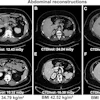
In a study at the Beilinson Hospital in Petah Tikva, clinicians led by Ran Kornowski, MD, director of the hospital's cardiology center, tested the algorithm in 326 patient CT scans that had nothing to do with cardiac concerns. Out of these scans, the algorithm helped identify 101 patients (31%) with severe CAC, 88 (27%) with moderate CAC, and 137 (42%) with low CAC.
Patients with severe CAC levels were referred to specialized preventive cardiology clinics for in-depth evaluation and treatment, while those categorized with low and moderate CAC were directed to primary care physicians for further assessment and medical optimization, Kornowski noted in a news release.
"The patients in this study received routine CT scans that had nothing to do with a cardiac concern. Nanox’s AI technology can enable physicians to route these unsuspecting individuals with high CAC levels to the appropriate care pathways and treatment," he said.
Nanox.AI’s HealthCCSng is cleared by the U.S. Food and Drug Administration and has received the CE mark in Europe, Nanox noted.