Dear AuntMinnie Member,
A new report released today raises a provocative question: Why don't more women know about uterine fibroid embolization (UFE)?
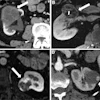
UFE is a treatment for uterine fibroids performed by interventional radiologists, and it's a less-invasive alternative to hysterectomy. But a new survey from the Society of Interventional Radiology found that only 44% of women diagnosed with fibroids have heard of UFE.
What's more, among the women who have heard of UFE, 73% said they first learned of the procedure from sources other than their ob/gyn physician. That raises disturbing questions about whether women are receiving the information they need to make informed decisions about their health.
Read more about the survey by clicking here, or visit our Women's Imaging Community at women.auntminnie.com.
Radiation from pediatric CT
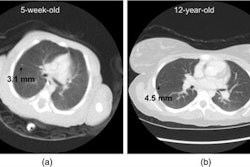
In other news, a group from Arkansas found that pediatric trauma patients who had CT scans at nonpediatric hospitals received twice as much radiation as kids who were scanned at dedicated pediatric trauma facilities.
Researchers from the University of Arkansas for Medical Sciences analyzed radiation dose from nearly 500 kids who were scanned at both pediatric and nonpediatric trauma facilities. They found that doses were sharply higher at the nonpediatric sites.
That's the bad news. The good news is that the researchers believe radiation dose can be brought down for pediatric CT scans, and they offer four tips for how to do it. Read more by clicking here, or visit our CT Community at ct.auntminnie.com.
Cinematic rendering
Be sure to visit our Advanced Visualization Community for the latest on an exciting new 3D image processing tool known as cinematic rendering. The technology processes routine CT and MRI scans and turns them into incredible photorealistic images. Learn more about how it's done by clicking here, or visit av.auntminnie.com.
Stay strong, Houston
Finally, our thoughts and prayers go out to everyone coping with the unfolding disaster in Houston. Our shock at the terrible devastation is tempered only by the inspiring stories of courage from the police, rescue, and healthcare personnel, as well as volunteers, who are tending to the victims. Stay strong, Houston. You can help by texting HARVEY to 90999 to make a $10 donation to the American Red Cross.