|
RADExpo Fall 2012 Schedule |
|||||||
|
Time
(Eastern) |
Topics and Speakers
|
||||||
| 10:00 a.m. |
Exhibit Hall Opens Get connected, mingle with friends, and visit exhibitor booths. Talk with product experts and visit the prize center. |
||||||
11:00 a.m. |
Radiology in America: The Burden of Success Bruce Hillman, MD During the past 40 years, radiology has gone from a sleepy medical backwater to becoming the most successful specialty in medicine. However, radiology's success has generated an anti-imaging backlash among policymakers and other physicians that threatens the discipline's future. Hillman discusses what it is about radiology that has led to its becoming a target for inimical policies, and what the specialty must do to reverse its image. |
||||||
12:00 p.m. |
Mobile Devices for Medical Imaging David Hirschorn, MD Mobile devices continue to carve out a niche in radiology, opening up new opportunities for on-the-go image viewing by referring clinicians as well as radiologists. With these benefits come choices and challenges, however. For example, institutions must decide between native apps or Web-based viewers for their mobile devices, and tackle thorny problems such as security and calibration. Learn how to navigate these and other issues for mobile devices in this presentation. |
PET/MRI: What You Need to Know Pamela Woodard, MD PET/MRI is one of the most intriguing new technologies in medical imaging, combining the functional information of PET with the anatomical detail of MRI -- and with less radiation dose than PET/CT. But PET/MRI can carry a price tag that may put it out of reach for some facilities for the time being. In this presentation, learn about the benefits of PET/MRI and whether it's right for your practice. |
|||||
1:00 p.m. |
Decision Support in Radiology Chris Sistrom, MD, PhD Healthcare providers looking for a better way to reduce inappropriate imaging utilization are turning to decision-support software for a solution. Decision-support tools offer the promise of fewer unnecessary imaging exams without the intrusiveness of a radiology benefits manager. But how robust are existing decision-support applications, and how difficult are they to integrate into radiology practices? Find out in this presentation. |
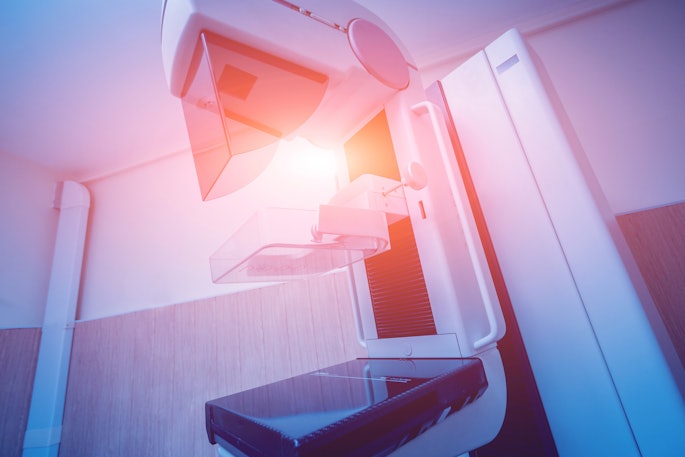
Breast Tomosynthesis: Is It Right for Your Practice? Elizabeth Rafferty, MD Breast tomosynthesis (also known as 3D mammography) has the potential to reshape mammography by offering 3D views of breast tissue and additional information not available with conventional full-field digital mammography. Early studies indicate that breast tomosynthesis can increase the accuracy of radiologists who are reading the studies, and even reduce recall rates. Is it time for your breast imaging practice to adopt this exciting new technology? Learn more in this presentation. |
|||||
2:00 p.m. |
Meaningful Use in Radiology: What's New in Stage 2 Keith Dreyer, DO, PhD This presentation will explain how radiology groups can benefit from the U.S. government's healthcare IT stimulus program. In addition to reviewing lessons learned in general from stage 1 of meaningful use (MU), Dr. Dreyer will delve into the program's critical aspects for hospital-based practices. He will also look ahead to what's to come in stage 2 of MU. |
CT Lung Cancer Screening: Setting Up a Screening Program Ella Kazerooni, MD The National Lung Screening Trial's finding that low-dose CT lung screening can reduce mortality by up to 20% has prompted many health providers to look more closely at setting up screening programs. But there are many factors to consider, from determining which individuals are best suited for screening to keeping radiation dose as low as possible and managing incidental findings. Learn more about CT lung screening in this presentation. |
|||||
3:00 p.m. |
CT Radiation Dose: Monitoring, Registries, and Regulations Richard L. Morin, PhD How can you manage what you can't measure? Radiologists and medical physicists are finding that new tools are necessary to comply with the growing demand to reduce patient exposure to medical radiation. Fortunately, these tools are rapidly being developed, from new radiation monitoring software applications to registries that allow practices to compare their dose levels to those of their peers. Learn about what's available in this presentation. |
||||||